Introduction to Pilates and Postural Correction
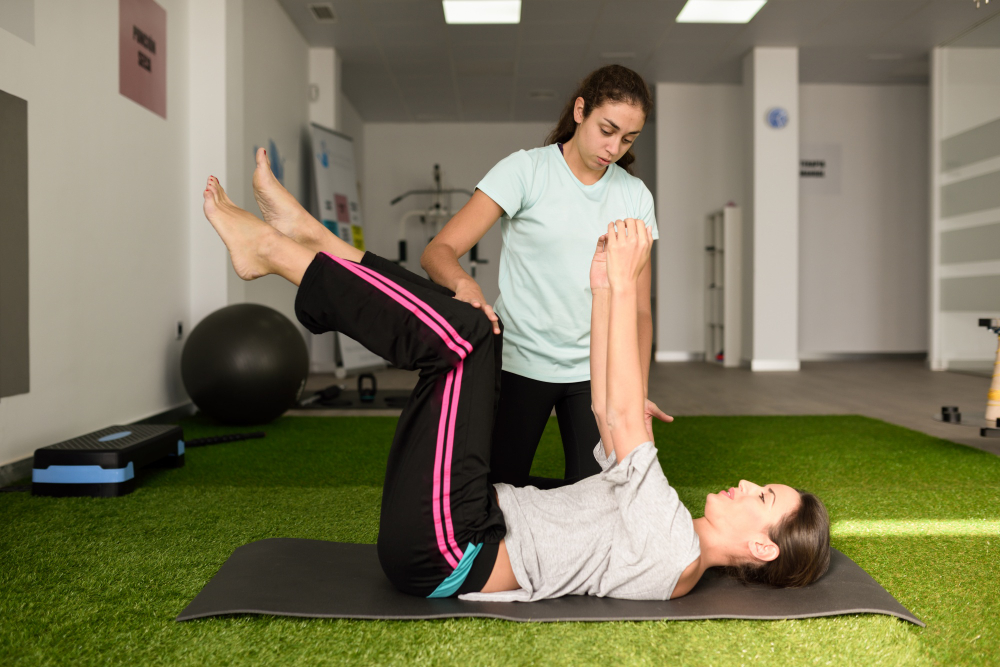
Pilates for postural correction is becoming more popular among teenagers and adults. Many people spend long hours sitting at desks or using screens. As a result, poor posture can develop. Pilates is a gentle exercise method that focuses on body alignment, strength, and flexibility. It can help you stand taller and feel better. In many cities, Pilates classes are easy to find. With regular practice, you may notice changes in how you sit and move.
Common Postural Problems in Teenagers and Adults
Many teenagers and adults face postural problems. These issues often come from daily habits. For example, slouching over a phone or computer can cause rounded shoulders. Sitting for long periods may lead to a forward head or a curved lower back. Additionally, carrying heavy bags on one side can make your body uneven. Over time, these habits can cause pain or stiffness. You might notice headaches, neck pain, or back pain. Even simple tasks can feel harder when posture is poor.
How Pilates Helps with Postural Correction
Pilates for posture works by strengthening core muscles. These muscles support your spine and help keep your body balanced. Because Pilates focuses on slow, controlled movements, it teaches you to move with better form. Each exercise encourages you to align your head, neck, and spine. As you practice, you become more aware of your posture throughout the day. For teenagers, Pilates can support healthy growth. For adults, it can help undo years of bad habits. Many people find that Pilates for postural correction also reduces pain and boosts confidence.
Key Pilates Exercises for Better Posture
Several Pilates exercises target postural correction. While some moves need special equipment, many can be done at home. Always start with gentle movements and focus on your form. For best results, try these exercises:
For teenagers, these exercises can be fun and easy to learn. Adults may notice better posture and less pain after a few weeks.
Safety Tips and Precautions
Before starting Pilates for postural correction, consider a few safety tips. First, talk to your doctor if you have any health problems. Next, start with beginner classes or videos. Because proper form is important, move slowly and listen to your body. If you feel pain, stop right away. For teenagers, supervision by a trained instructor is helpful. Adults with back or neck issues should avoid advanced moves at first. Using a mat can protect your joints. Finally, remember to breathe deeply during each exercise.
Lifestyle Guidance for Maintaining Good Posture
Along with Pilates, daily habits play a big role in postural correction. For example, set up your desk and chair to support your back. Take breaks to stand and stretch every hour. When using your phone, hold it at eye level. Carry bags evenly on both shoulders. At home, choose chairs that support your lower back. For teenagers, school backpacks should be light and worn on both shoulders. Adults can benefit from regular walks and stretching. Even small changes can make a big difference over time.
Evidence and Research Supporting Pilates for Posture
Many studies support Pilates for postural correction. For instance, research in the Journal of Bodywork and Movement Therapies found that Pilates can improve posture and reduce pain in adults. The World Health Organization (WHO) also recommends regular movement to prevent posture problems. According to the CDC, exercise programs like Pilates help reduce back pain and improve quality of life. In teenagers, Pilates for posture can support healthy growth and prevent future issues. Because Pilates is gentle, it is safe for most people when done correctly. Experts agree that regular practice leads to lasting results.